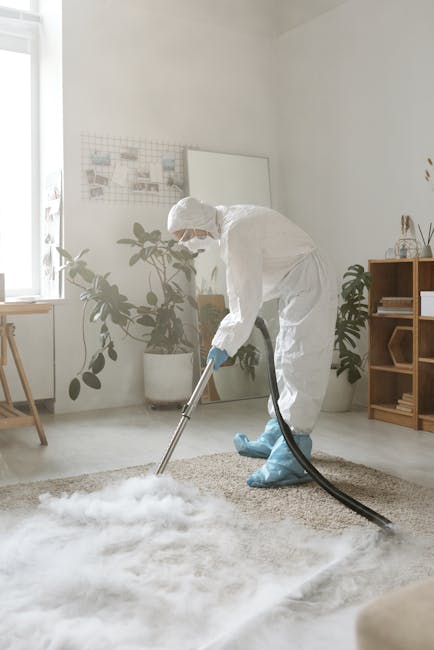
Commercial carpet cleaning Kingston Hill and Kingston Vale shops
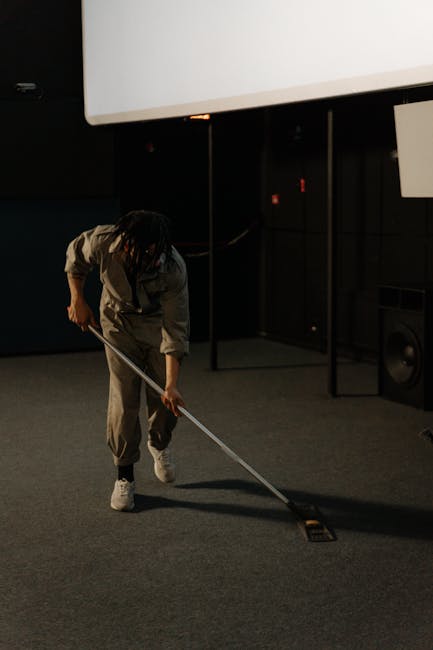
If you run a shop in Kingston Hill or Kingston Vale, your carpets quietly do a lot of heavy lifting. They take the scuffs from opening doors, the grit from winter shoes, the odd spill near the till, and all the footfall that comes with a busy day. Commercial carpet cleaning Kingston Hill and Kingston Vale shops is not just about looking tidy; it is about keeping the space welcoming, reducing wear, and making day-to-day maintenance far less of a headache.
In practical terms, the right cleaning approach can help a retail space feel brighter, smell fresher, and present better to customers and staff. And yes, it can also save money over time by slowing down fibre damage and helping carpets last longer. Below, you will find a clear guide to how shop carpet cleaning works, when it makes sense, what to ask for, and the mistakes that tend to trip people up. Nothing overly technical. Just the stuff that helps you make a decent decision.
Why Commercial carpet cleaning Kingston Hill and Kingston Vale shops Matters
Retail carpets are exposed to a very different kind of pressure than domestic ones. In a shop, the same narrow run of flooring can see hundreds of steps before lunch. That builds up quickly. Dust works itself deep into the pile, tiny bits of soil act like sandpaper, and stale spillages can linger longer than you would like. Let's face it, customers notice these things even when they do not consciously mention them.
A clean carpet changes the mood of a shop. It makes the space feel more cared for, which can influence how people judge the business overall. If the floor looks tired, people often assume the rest of the operation is tired too. Fair or not, that is how retail perception works.
There is also a practical side. Embedded grit shortens carpet life, especially at entrances, till points, fitting areas, and anywhere staff turn repeatedly during a shift. Regular professional cleaning helps lift that grit before it cuts deeper into fibres. For shops in Kingston Hill and Kingston Vale, where mixed weather, road dust, and regular pedestrian traffic all play a part, that maintenance really matters.
Expert summary: A well-planned commercial carpet cleaning schedule is not a cosmetic extra. For shops, it is part of protecting presentation, hygiene, customer comfort, and the long-term condition of the floor.
It can also support a calmer working environment. Staff are simply happier working in a place that feels fresh, especially in smaller retail units where everything is close together. You notice the difference by late afternoon, when the air is a bit stuffy and the floor still looks respectable. That counts.
How Commercial carpet cleaning Kingston Hill and Kingston Vale shops Works
Commercial carpet cleaning is usually a planned process rather than a quick once-over. The exact method depends on the carpet type, how dirty it is, how quickly it needs to dry, and whether there are stains, odours, or high-traffic lanes to deal with. In a retail setting, the goal is to clean thoroughly without causing disruption. That balance is the whole game.
A typical visit starts with a survey of the carpet condition. The cleaner looks at fibre type, staining, edges, entry points, and any problem areas such as chewing gum, drink marks, or ground-in dirt near displays. After that, the carpet is vacuumed and pre-treated. Pre-treatment loosens soil and helps tackle greasy or stubborn marks before the main clean.
The main cleaning method may be hot water extraction, low-moisture cleaning, or targeted steam carpet cleaning depending on the situation. Hot water extraction is common because it can deep-clean commercial carpets effectively when used properly. Steam carpet cleaning, where suitable, can also help refresh fibres and remove residues. For heavily marked sections, a separate stain removal step may be needed before or after the main clean.
After cleaning, the carpet is groomed where appropriate to improve appearance and help it dry more evenly. Drying matters more than many people realise. A shop carpet that stays damp too long can be inconvenient and, in some cases, create slip concerns around busy areas. Good airflow, sensible scheduling, and the right moisture level all help.
In shops with more than just carpets, cleaners may also recommend related work on upholstery, rugs, or soft furnishings. If your retail space has a waiting bench, fitting room seating, or display fabric that picks up dust, the wider range of upholstery cleaning services can be useful too. Same with decorative floor pieces or smaller textile areas that need extra care through rug cleaning.
Key Benefits and Practical Advantages
The obvious benefit is appearance. Fresh carpets simply make a shop look more inviting. But the deeper value sits underneath that first impression.
- Better presentation: Clean floors support a neat, professional look from the moment people walk in.
- Longer carpet life: Removing trapped grit and residues reduces fibre wear.
- Improved odour control: Spills, damp patches, and foot traffic can leave a stale smell if ignored.
- More comfortable atmosphere: Clean flooring softens the feel of a retail space and makes it less "gritty".
- Lower maintenance burden: Routine cleaning can make daily vacuuming more effective.
- Better response to accidents: If your team knows the cleaning plan, small spills are easier to manage before they set.
There is another benefit that often gets overlooked: consistency. A regular commercial cleaning plan means you are not waiting for carpets to look bad before you act. That matters in shops because the floor rarely gets a full break. It is always "on stage", even on quieter days.
For mixed-use retail premises, professional cleaning can also help align other soft-furnishing care. If curtains catch dust or display textiles need a refresh, services like curtain cleaning can support the same fresh, well-kept feel. The whole shop reads better when the fabrics are working together, not against each other.
Who This Is For and When It Makes Sense
This service is relevant for a wide range of shops. You do not need to be running a huge retail unit to benefit from it. In fact, smaller shops often notice the difference more quickly because every corner is visible.
- Independent boutiques with customer-facing flooring
- Convenience stores with high daily footfall
- Pharmacies and health-related retail premises
- Salons, barbers, and beauty shops using carpeted areas
- Gift shops, phone shops, and specialist retailers
- Mixed retail spaces with stock, waiting areas, or fitting rooms
It makes sense when you start noticing dullness, shading in walk paths, or marks near the entrance. It also makes sense after a bad spill, of course, though ideally you are not waiting for a disaster. If customers are commenting, even casually, that the shop feels a bit tired, that is usually the floor speaking.
Seasonal timing matters too. Winter slush and salt, spring dust, and summer footfall all affect carpets differently. In a busy retail setting, a periodic clean every few months may be sensible, while some shops need more frequent attention in entrance zones and checkout lanes. It depends on traffic, layout, and how fussy you want the appearance to be. Most owners are a bit fussier than they first admit.
Step-by-Step Guidance
If you are planning a shop carpet clean for the first time, it helps to break it down into simple steps. That way you are not scrambling on the day.
- Inspect the carpet carefully. Look at traffic lanes, stained patches, loose edges, and where dirt gathers most quickly.
- Choose the right cleaning method. Match the technique to the fibre type, soil level, drying time, and disruption window.
- Move portable items out of the way. Small display stands, mats, light furniture, and stock crates can interfere with cleaning access.
- Vacuum thoroughly first. Dry soil must come out before moisture is added. Skipping this step is a classic mistake.
- Pre-treat problem areas. Entrance grime, sticky residues, and visible stains usually need special attention.
- Clean in sections. A methodical pass helps avoid missed edges and patchy results.
- Allow proper drying time. Leave sensible airflow and avoid rushing people straight back over wet fibres.
- Check the finish. Inspect corners, edges, and the areas near shelves or counters where dirt likes to hide.
One small but useful point: schedule around opening hours, not just around the cleaner's convenience. A brilliant clean is no use if it clashes with the busiest hour of the day. That sounds obvious, but somehow it still gets missed.
If your carpet issues are tied to a broader hygiene problem, consider whether spots on the floor are coming from nearby furniture or fabric surfaces. In those cases, a package that includes sofa cleaning or mattress cleaning for staff accommodation or back-room areas may make sense, though only if those items are actually part of the premises. No need to overdo it.
Expert Tips for Better Results
After years of seeing what works and what causes avoidable headaches, a few practical tips stand out.
- Act on fresh spills quickly. The longer a liquid sits, the deeper it travels.
- Use entrance mats properly. Mats do a lot, but only if they are maintained and positioned well.
- Keep a clean schedule. A little routine often beats an occasional heroic effort.
- Ask about drying time honestly. If you need the shop open again fast, say so upfront.
- Target the worst lanes more often. The whole carpet may not need the same frequency.
- Watch for recurring stains. Repeated marks usually signal an underlying issue, not just bad luck.
One practical observation from retail environments: the cleanest-looking shops are not always the ones that get the most dramatic deep cleans. They are the ones with sensible upkeep. Small wins. Repeated.
Also, if you have fragrance-heavy products or food nearby, odour build-up can be a bit sneaky. It may not look dirty, but customers can still feel something is off. That is where a combined approach, including pet stain odour removal for any accidental organic smells in mixed-use premises, can be surprisingly helpful. The name sounds very specific, but the practical idea is simple: remove the source, not just the surface mark.
Common Mistakes to Avoid
The most common mistake is waiting too long. People get used to gradual dullness, then one day the floor looks worse than they thought. Happens all the time.
Another frequent issue is using the wrong cleaning method for the carpet fibre. Too much moisture, too much heat, or too much agitation can make some commercial carpets look patchy or even damage the backing. That is one reason it is worth asking for a method that fits the material rather than assuming "one clean suits all".
- Cleaning only the visible centre and ignoring edges
- Skipping vacuuming before wet cleaning
- Using harsh spot products without testing them first
- Failing to plan around drying time
- Ignoring recurring stains instead of finding the cause
- Choosing price alone and overlooking experience or insurance
A slightly awkward truth: the cheapest option can turn out expensive if the carpet is left over-wet, over-scrubbed, or still looking grubby after the job. If you are comparing providers, check what is included, what the process is, and whether the cleaner is set up for commercial work rather than just domestic jobs. Different beast, really.
Tools, Resources and Recommendations
Good shop carpet cleaning relies on the right equipment and the right planning. You do not need to know every machine model, but it helps to understand the basics so you can ask better questions.
| Method | Best for | Typical strengths | Things to watch |
|---|---|---|---|
| Hot water extraction | General deep cleaning in most commercial carpets | Strong soil removal, good for embedded dirt | Needs sensible drying time and correct technique |
| Low-moisture cleaning | Shops that need quicker turnaround | Faster drying, less disruption | May need follow-up attention on heavy staining |
| Targeted stain treatment | Specific marks, spills, or localised damage | Precise and efficient | Should be tested first on delicate fibres |
| Steam carpet cleaning | Refreshing and deeper sanitising-style cleans where suitable | Useful for lifting residues and general freshness | Must be matched carefully to carpet type |
If your business also needs broader soft furnishing support, it can be useful to think in terms of a whole-premises refresh. That may include carpet cleaning for less exposed areas, or steam carpet cleaning where a deeper reset is appropriate. The right recommendation depends on what the carpet is made of and how quickly the space needs to reopen.
For many shops, the best resource is simply a clear maintenance plan. You do not need a complicated spreadsheet. Even a simple note of which entrance lane gets filthy first, or which display area keeps collecting marks, can help you time cleaning properly.
Law, Compliance, Standards, or Best Practice
Commercial cleaning work in the UK should be approached with sensible care around safety, insurance, and business premises responsibilities. While the exact obligations vary by site and circumstance, the basics are straightforward: protect staff, protect customers, and make sure the work is carried out in a way that does not create avoidable risk.
That usually means checking that the cleaning provider has appropriate insurance, uses safe equipment, and follows a clear process for working in occupied premises. If a shop remains open during cleaning, wet floors, cables, and moving furniture need to be managed properly. Common sense, really, but common sense is still worth saying out loud.
It is also good practice to ask about chemical use, residue control, and drying management. In retail settings, strong-smelling or overly wet cleaning can be disruptive. If a provider has a clear health and safety policy and explains how they minimise disruption, that is a reassuring sign. Likewise, checking insurance and safety information helps you make a more grounded decision.
For businesses that care about waste handling and greener operations, sustainability may also matter. Responsible water use, sensible product selection, and careful disposal practices are all part of good modern housekeeping. If that is important to you, look at the provider's recycling and sustainability approach too.
And if you are comparing terms, pricing, or how quotes are structured, it is worth reviewing the practical details before booking. The small print is not glamorous, but it prevents misunderstandings later. For that, pricing and quotes and the terms and conditions pages are the sort of pages worth reading properly rather than skimming in ten seconds flat.
Options, Methods, or Comparison Table
Choosing the right approach is usually about balancing soil level, disruption, and drying time. Here is a simple comparison that may help.
| Option | Ideal scenario | Pros | Trade-offs |
|---|---|---|---|
| Routine maintenance clean | Regular upkeep for shops with steady foot traffic | Keeps carpets presentable and manageable | May not fully remove old deep stains |
| Deep commercial clean | Heavier soil, visible wear, or seasonal reset | Stronger restoration effect | Usually needs longer drying and planning |
| Spot treatment only | Minor isolated incidents between full cleans | Fast and targeted | Does not solve overall dullness |
| Combined soft-furnishing refresh | Retail areas with carpets, seating, and fabric features | More consistent overall appearance | Needs wider scheduling coordination |
For some premises, a combined approach is the smartest route. A shop with carpeted floors and fabric seating may benefit from pairing carpet work with sofa cleaning or upholstery cleaning so everything looks aligned afterwards. Not every shop needs that, but when it does, the difference is noticeable. Quietly noticeable, which is often the best kind.
Case Study or Real-World Example
Imagine a small Kingston Hill boutique with a carpeted entrance, a central aisle, and two fitting rooms. The owner notices the entrance looks darkened even after daily vacuuming. There are no dramatic stains, just that gradual grey-brown traffic lane that turns up in almost every retail carpet eventually.
Instead of waiting until the carpet looks obviously worn, the owner books a commercial clean outside trading hours. The cleaner inspects the fibre, treats the entrance lane first, then works through the aisle and fitting room areas. A couple of small marks near the till are handled with focused stain treatment. The carpet dries overnight, and by the next morning the shop feels sharper and lighter again.
That is the sort of result many shop owners want. Not magic. Just a floor that stops drawing the eye for the wrong reason. And, to be fair, customers tend to notice the difference immediately even if they do not comment on it. They just feel more comfortable. That is the point.
In a Kingston Vale convenience store, the story may be a bit different. Higher footfall means more frequent maintenance, especially near the entrance and checkout. There, the better answer might be a regular light clean combined with deeper periodic treatment. It is not glamorous, but it works.
Practical Checklist
Use this before you book or schedule a shop carpet clean.
- Check where the worst traffic lanes are.
- Note any stains, spills, smells, or recurring marks.
- Confirm the carpet type if you know it.
- Decide how quickly the area needs to be back in use.
- Move fragile or portable items out of the way.
- Ask how long drying is likely to take.
- Confirm whether the work is insured and suitable for commercial premises.
- Make sure staff know which areas will be out of bounds for a while.
- Review the quote and any terms before approval.
- Plan a follow-up vacuuming or maintenance check after drying.
One-line reminder: the less rushed the plan, the better the result.
Get a free quote today and see how much you can save.
Conclusion
Commercial carpet cleaning Kingston Hill and Kingston Vale shops is really about keeping retail spaces credible, comfortable, and easier to maintain. A clean carpet changes the first impression, helps control wear, and supports the kind of environment people want to walk into without thinking twice. That is especially important in local shops, where appearance and atmosphere are part of the job every single day.
If you plan the clean properly, choose the right method, and avoid the usual mistakes, you get more than a fresher floor. You get breathing room. Less stress. Less patchy upkeep. And a shop that feels looked after, which is often half the battle. Simple, but not easy. Still worth doing.
When you are ready to take the next step, a clear quote, a sensible cleaning plan, and a provider that understands commercial premises can make the whole process far more straightforward than most people expect.
Frequently Asked Questions
How often should shop carpets be professionally cleaned?
It depends on footfall, carpet colour, and how exposed the area is to street dirt or spills. Busy shops often need more frequent maintenance than quieter ones, especially at entrances and checkout lanes. A good rule is to clean before the carpet looks obviously tired, not after.
What is the best method for commercial carpet cleaning in a retail shop?
There is no single best method for every shop. Hot water extraction is common for deep cleaning, while low-moisture approaches can suit businesses that need shorter drying times. The right choice depends on fibre type, soil level, and how quickly the space needs to reopen.
Will the carpet be too wet for customers and staff?
A properly managed clean should not leave the carpet drenched. Drying time still matters, though, so the job should be scheduled with access and airflow in mind. If the shop must reopen quickly, say so upfront and ask what turnaround is realistic.
Can commercial carpet cleaning remove old stains?
Often it can improve them a lot, but not every stain disappears completely. Age, fibre type, and what caused the mark all affect the result. Some stains need pre-treatment or specialist spotting before the main clean, and some may only fade rather than vanish.
Is steam carpet cleaning safe for shop floors?
It can be safe when used on suitable carpet types by someone who understands the material and moisture control. The term is often used loosely, so it is worth checking what method is actually being used and whether it matches your floor.
Do I need to close the shop during cleaning?
Not always. Some cleans can be arranged outside trading hours or section by section. Whether you need to close depends on the layout, drying time, and how much of the floor needs work. For small retail spaces, short closures are often the easiest option.
What should I ask before booking a commercial carpet cleaner?
Ask about the cleaning method, drying time, insurance, stain treatment, and whether the service is designed for commercial premises. It also helps to ask how they handle access, moving items, and any special concerns such as odours or delicate fibres.
Are commercial carpet cleaning and domestic carpet cleaning the same thing?
Not quite. Commercial cleaning usually involves higher footfall, tougher wear patterns, and more emphasis on scheduling around business hours. Domestic methods may not be enough for a retail environment, especially where appearance has to stay consistent day after day.
How can I keep carpets cleaner between professional visits?
Vacuum regularly, use well-placed entrance mats, deal with spills fast, and keep an eye on high-traffic lanes. Small, consistent maintenance makes a big difference. It is the boring answer, but it works.
Can carpet cleaning help with bad odours in a shop?
Yes, especially if the smell is coming from trapped residues, spills, or damp patches. Cleaning removes the source more effectively than masking the smell. If odour keeps returning, there may be an underlying issue that needs checking.
How do I know if I should book a deep clean or just a light refresh?
Look at the colour change, visible traffic lanes, stain depth, and how the carpet feels underfoot. If the floor is generally dull and worn-looking, a deep clean is usually better. If it is mostly presentable but a bit flat, a lighter maintenance clean may be enough.
Where can I read more about pricing and what is included?
You can review the pricing and quotes information, along with the service details on commercial carpet cleaning. Those pages help you compare the service scope before you decide.