Eco friendly upholstery cleaning Kingston Vale near Richmond Park
If your sofa looks tired, your dining chairs have picked up everyday grime, or a favourite armchair has started holding onto odours, you are probably weighing up two things at once: getting it properly clean, and not filling your home with harsh chemicals. That is exactly where eco friendly upholstery cleaning Kingston Vale near Richmond Park makes sense. It is a practical, fabric-safe approach that focuses on cleaning power, low-impact products, and sensible methods that suit busy London homes.
In Kingston Vale, a lot of homes sit close to green space, family life, pets, commuting, and the usual day-to-day mess that comes with both. Add Richmond Park into the mix and you have a setting where people often care about healthier indoor environments as much as appearance. This guide explains what eco friendly upholstery cleaning involves, how it works, what to expect, and how to choose the right service without getting lost in marketing fluff.
We will also cover common mistakes, useful checks before booking, and the kinds of upholstery problems that respond well to green cleaning methods. Truth be told, not every stain needs a dramatic treatment. Sometimes the smart option is the gentler one.
Table of Contents
- Why Eco friendly upholstery cleaning Kingston Vale near Richmond Park Matters
- How Eco friendly upholstery cleaning Kingston Vale near Richmond Park Works
- Key Benefits and Practical Advantages
- Who This Is For and When It Makes Sense
- Step-by-Step Guidance
- Expert Tips for Better Results
- Common Mistakes to Avoid
- Tools, Resources and Recommendations
- Law, Compliance, Standards, or Best Practice
- Options, Methods, or Comparison Table
- Case Study or Real-World Example
- Practical Checklist
- Conclusion
- Frequently Asked Questions
Why Eco friendly upholstery cleaning Kingston Vale near Richmond Park Matters
Upholstery is one of those things people notice without really noticing. A sofa can look fine from across the room, then up close you see hand marks on the arms, a dull patch where people always sit, maybe a little drink spill from an early evening tea. And let's face it, fabric furniture absorbs a lot more than most of us realise.
Eco friendly upholstery cleaning matters because modern homes often need a balance of three things: effective cleaning, fabric care, and a healthier indoor environment. Traditional cleaning can be highly effective, but some people prefer methods that minimise strong odours, reduce residue, and use products chosen with sustainability in mind. That can be especially relevant in homes with children, pets, allergy concerns, or simply a preference for a less chemical-heavy routine.
Near Richmond Park, many residents also care about what goes into the environment around them. That does not mean every cleaning product has to be "natural" or every stain has to be tackled with vinegar and hope. It means making sensible choices, using products responsibly, and avoiding unnecessary waste where possible.
If you are already looking into fabric care more broadly, it can help to compare upholstery work with related services such as sofa cleaning, curtain cleaning, or rug cleaning. The right approach for each item depends on fibre type, construction, and how heavily it has been used.
How Eco friendly upholstery cleaning Kingston Vale near Richmond Park Works
Eco friendly upholstery cleaning is not one single technique. It is more of a method and product philosophy. In practice, a technician will usually inspect the fabric, identify the construction, test a small hidden area if needed, and then choose the safest cleaning route for the material.
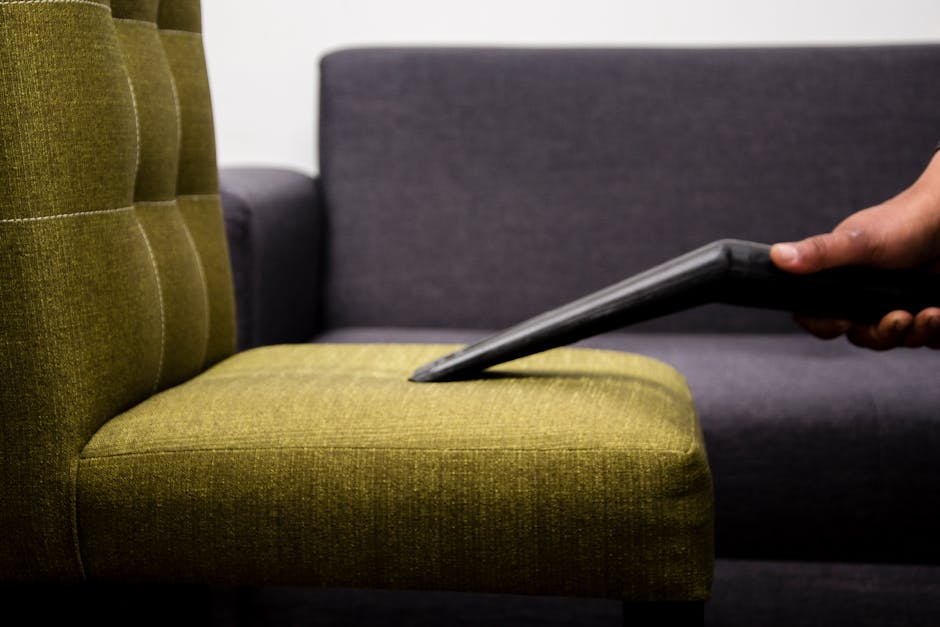
A good process normally starts with dry soil removal. That means vacuuming carefully to remove loose dust, crumbs, hair, and grit. This step matters more than people think. If grit stays in the fabric, wet cleaning can turn it into a muddy paste. Not ideal. After that, the cleaner may apply a low-odour, fibre-appropriate solution designed to loosen oils and dirt without leaving heavy residues behind.
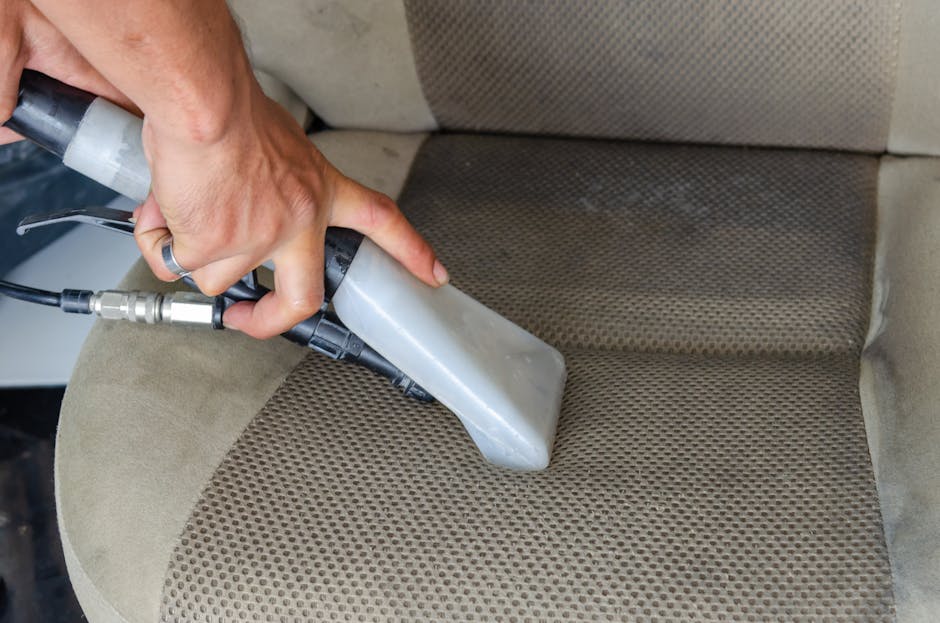
Depending on the item, the method may involve low-moisture extraction, controlled hot-water cleaning, hand application, or specialist spot treatment. The key thing is restraint. Eco friendly does not mean weak; it means targeted. More solution is not automatically better, and a soaked sofa is a problem nobody wants at 7pm on a Tuesday.
For some furnishings, especially delicate fibres or older pieces, a gentler upholstery cleaning approach is the safer choice. For tougher deep-set marks, a combined method may be used, with separate attention for staining, odour, and general soil.
A practical service often includes:
- pre-inspection of fibre type, age, and condition
- identification of stain risks, dye transfer, and loose stitching
- vacuuming and dry soil removal
- spot testing in an inconspicuous area
- application of suitable cleaning solution
- agitation or dwell time where appropriate
- extraction or careful removal of residues
- grooming and drying advice
That last bit, drying advice, is not a throwaway detail. Fabric that dries too slowly can smell stale, feel stiff, or attract more dirt after the job. The goal is clean, fresh, and usable, not merely wet and hopeful.
Key Benefits and Practical Advantages
There are several reasons people choose eco friendly upholstery cleaning, and not all of them are about being "green" in the abstract. Some are very practical.
1. Better for everyday living spaces
Low-odour and low-residue products can make a real difference in family rooms, compact flats, and homes where you do not want a strong smell hanging around after the work is finished.
2. Suitable for many fabric types
When a cleaner works carefully and tests the fabric properly, eco-friendly methods can be a sensible option for cotton blends, synthetics, wool mixes, and some more delicate materials. The technique matters as much as the product.
3. Less residue left behind
Heavy detergent residues can sometimes make upholstery re-soil faster. A more restrained approach can help fabric stay fresher for longer, provided the cleaning is done properly.
4. More comfortable for homes with pets or children
People often want peace of mind after a clean. If you have a dog who insists on claiming the sofa, or a toddler who treats the armchair like a climbing frame, a milder product profile can feel like the sensible option.
5. Good for maintenance, not just rescue jobs
Upholstery does not need to be filthy before it is worth cleaning. Regular maintenance can extend the life of the fabric, reduce wear from embedded grit, and keep colours looking more even.
6. Sustainability-minded choice
For local households trying to cut waste and be more thoughtful in how they buy services, eco friendly upholstery cleaning fits neatly alongside broader recycling and sustainability habits.
If you want a broader home-cleaning plan, it can also be useful to explore recycling and sustainability and see how fabric care fits into a lower-waste household routine.
Who This Is For and When It Makes Sense
This kind of cleaning is a strong fit for a lot of Kingston Vale homes, but especially if one or more of these sounds familiar:
- you have sofas, dining chairs, or accent chairs used daily
- you are trying to reduce strong chemical smells indoors
- you live with pets that shed, nap, or occasionally make a mess
- you want to freshen furniture rather than replace it
- you are caring for a rented home and want the upholstery presentable
- you have a family room that gets heavy use and needs periodic maintenance
- you want to protect fabric investment pieces, not just clean them once in a panic
It also makes sense when you have a specific stain or smell but do not want an aggressive process that could damage the fibre. In some cases, a gentle clean with the right stain approach is enough. In others, a heavily marked item may need more than one treatment. That is normal. Not every stain is a one-wipe miracle, despite what cleaning adverts would have you believe.
For households with pet-related issues, a related service like pet stain odour removal may be the better starting point if the main problem is not just visible dirt but lingering smell or recurring marks.
Step-by-Step Guidance
If you are planning an eco friendly upholstery clean, here is a sensible sequence to follow.
- Identify the furniture type. Note whether it is a sofa, loveseat, armchair, bench, dining chair, or footstool. Construction matters because glued, stitched, foam-filled, and feather-filled items all behave differently.
- Check the care label. Look for cleaning codes if they are present. They are not always easy to find, and sometimes the label has vanished into upholstery limbo, but if it is there, it helps.
- Vacuum thoroughly. Remove loose dust, crumbs, and pet hair before any liquid cleaning is used.
- Spot the problem areas. Identify the seat cushions, arms, headrest area, and any obvious spills or odours.
- Choose the right method. Low-moisture, foam, hand application, or extraction may suit different materials. A blanket approach is usually a bad idea.
- Test first. A hidden patch test can show whether colour transfer, water marking, or fabric distortion is likely.
- Treat stains carefully. Stains should be addressed based on their type. Food, drink, body oils, ink, and pet issues each behave differently.
- Control moisture. Enough to clean; not so much that the fabric takes all afternoon to dry.
- Allow proper drying. Good airflow helps. Open windows if appropriate, and avoid sitting on the furniture too soon. Easy to say, harder to do if your only chair is the one you just cleaned.
- Review the result. Check for shading, missed edges, stubborn spots, and any remaining odour once the fabric is fully dry.
If you are comparing upholstery care with other deep-cleaning work, many people book upholstery alongside carpet cleaning so the whole room feels lifted at the same time. That is often more efficient than treating each item as a separate mini project.
Expert Tips for Better Results
Small decisions make a surprisingly big difference with upholstery. A good clean is often about discipline rather than drama.
- Act quickly on spills, but do not scrub. Blot gently with a clean absorbent cloth. Rubbing pushes the stain deeper and can roughen the pile.
- Know the fabric. Velvet, boucle, linen blends, and microfibre each respond differently. One method does not fit all.
- Keep product use targeted. Extra cleaner does not equal extra clean. It often just means extra residue.
- Be realistic about old stains. Some marks fade but never vanish completely, particularly if they have been heat-set, oxidised, or repeatedly treated with the wrong product.
- Let air do its job. Good airflow helps drying and freshening. It is simple, but often overlooked.
- Schedule maintenance before things get grim. Waiting until a sofa is visibly dull usually means the fabric has been collecting soil for a while.
A useful rule of thumb: if you can smell the furniture before you notice the stain, the build-up is probably deeper than it looks. A professional cleaner will usually think about odour, not just appearance.
If you want reassurance around provider standards, it is worth checking the company's health and safety policy and insurance and safety information before you book. That is not being fussy; it is simply sensible.
Common Mistakes to Avoid
Most upholstery damage from cleaning happens because someone tries to move too fast or uses the wrong thing in a panic. Been there? A lot of people have.
- Using too much water. Over-wetting can cause marks, shrinkage, long drying times, and in some cases odour issues.
- Rubbing stains hard. This can distort the fabric and spread the spill across a wider area.
- Skipping the fabric test. One tiny test patch can save a very expensive mistake.
- Using random household products. Bicarbonate, vinegar, sprays, and laundry products can all backfire on certain fabrics.
- Ignoring the frame and cushions. Cleaning only the visible surface may leave dirt trapped where people sit most often.
- Reusing dirty cloths. That just moves grime around. Not much else to say, really.
- Putting cushions back too soon. Trapped moisture leads to a stale finish.
One more thing people miss: if a stain has already been treated several times, tell the cleaner exactly what was used. Even a "simple" spot can behave strangely after previous DIY attempts.
Tools, Resources and Recommendations
You do not need a van full of specialist kit to understand good upholstery care, but a few basic tools help with both maintenance and decision-making.
- A decent vacuum with upholstery attachments. Useful for weekly maintenance and pre-clean preparation.
- White microfibre cloths. These are better than coloured cloths when blotting spills because you can see what you are lifting.
- Soft-bristle brush. Handy for light grooming on some fabrics, though not every material likes brushing.
- Plain absorbent towels. A practical backup for accidental spills.
- Fabric care labels or purchase notes. Keep them if you still have them. Future-you will be grateful.
From a service perspective, it helps to compare upholstery cleaning with related treatments if your home has multiple fabric surfaces that need attention. A cleaner who offers stain removal and mattress cleaning may be able to build a more consistent plan across the home, especially if the same pets, spills, or dust issues affect several items.
When you speak to a provider, ask practical questions: what type of product do they use, how do they dry the fabric, do they test first, and what should you expect in terms of aftercare? Straight answers are usually a good sign.
Law, Compliance, Standards, or Best Practice
For most homeowners, eco friendly upholstery cleaning is not about navigating complex regulation on your side. Still, reputable cleaners should follow sensible UK business and safety practices, especially where chemicals, equipment, and customer premises are involved.
In plain English, best practice usually means:
- using products responsibly and as directed
- carrying suitable public liability insurance
- working in a way that reduces the risk of slips, excess moisture, or surface damage
- handling customer data and bookings appropriately
- explaining limitations honestly rather than promising magic results
If a company presents itself as environmentally conscious, it should be able to explain what that means in practical terms. For example, low-odour solutions, careful dosing, reduced waste, and sensible water use are all understandable claims. Vague buzzwords are not enough.
It can also be useful to review the company's terms and conditions, privacy policy, and payment and security information before booking. That is part of the trust picture, even if it is not the glamorous part.
For those who care about the firm's wider values, pages like about us and recycling and sustainability can help you judge whether the eco message feels genuine or just borrowed for the brochure.
Options, Methods, or Comparison Table
There are a few common ways upholstery is cleaned. The best choice depends on the fabric, how dirty it is, and how quickly you need it back in use.
| Method | Best for | Pros | Watch-outs |
|---|---|---|---|
| Low-moisture cleaning | Everyday sofas, chairs, general refreshes | Fast drying, minimal water use, low residue | May need extra spot work for heavy stains |
| Hot-water extraction | Durable upholstery with deeper soil | Good flushing of dirt and residues | Can over-wet fabric if not handled carefully |
| Foam or hand-applied cleaning | Delicate or moisture-sensitive fabrics | Gentler on certain fibres, controlled application | Not always enough for serious build-up |
| Specialist stain treatment | Food, drink, pet, or spot damage | Targets specific marks effectively | Results depend on stain age and prior DIY attempts |
For a lot of Kingston Vale households, a blend of methods works best. A cleaner might vacuum, pre-treat, and then use a controlled extraction or low-moisture finish. That layered approach is often more reliable than one big, forceful pass.
If the furniture is part of a larger refresh, you may also want to align it with steam carpet cleaning in the same visit, provided the fabrics and room conditions suit both jobs. Coordinating the work can save time and avoid that awkward "clean sofa, grubby carpet" contrast.
Case Study or Real-World Example
Picture a typical Kingston Vale family room on a weekday evening. The sofa has everyday sitting wear, a pale mark on one arm from a drink spill, and a faint pet smell that seems worse after the heating has been on. Nothing dramatic, just enough to make the room feel a bit tired.
A sensible eco friendly clean would start with a careful inspection and vacuum, especially around seams and cushion edges where crumbs and hair collect. The cleaner would test a discreet patch, then treat the visible mark with a fabric-safe solution and control the moisture carefully. The odour issue would be addressed without flooding the upholstery or masking the smell with something overpowering.
What usually happens next? The room feels lighter. The fabric looks less flat. The arm of the sofa no longer catches your eye every time you walk past. And because the process has been controlled, the family can use the room again sooner than if the furniture had been drenched in a heavy wash.
That kind of result is not flashy, but it is exactly what most people want. Clean enough to notice, gentle enough to trust.
Practical Checklist
Use this quick checklist before you book or begin.
- Identify the item and its fabric type if known
- Check for visible labels or care instructions
- Note stains, smells, and high-traffic areas
- Decide whether you need general cleaning, stain removal, or odour treatment
- Ask whether the products are low-odour and suitable for your fabric
- Confirm that the cleaner tests a hidden area first
- Ask how long drying is likely to take
- Make sure the room can be ventilated afterwards
- Keep pets and children away until the fabric is dry
- Review service pages and company policies if you want extra reassurance
Expert summary: Eco friendly upholstery cleaning works best when it is specific, careful, and realistic. The goal is not to make a sofa look artificially brand new in one hit; it is to clean it safely, reduce wear, and leave the room feeling fresh without unnecessary chemical load.
If you are comparing providers, a strong starting point is a team that is transparent about pricing and quotes and has a clear complaints procedure. That tells you they expect to be accountable, which is never a bad thing.
Conclusion
Eco friendly upholstery cleaning Kingston Vale near Richmond Park is a practical choice for people who want cleaner furniture without overcomplicating the process. Done properly, it can freshen sofas, chairs, and other upholstered items, support a healthier-feeling home, and fit well with more sustainable everyday habits.
The biggest wins come from matching the method to the fabric, using products with care, and being honest about what the furniture needs. Some pieces need delicate handling. Some need stubborn stains targeted. Some just need a thorough reset after a long stretch of family life. All of that is normal.
So if your upholstery is looking a little flat, a little marked, or just not as fresh as it should be, there is a sensible next step: choose a careful, eco-minded clean and give the fabric a proper chance to breathe again. It really can make the whole room feel better.
Get a free quote today and see how much you can save.
Frequently Asked Questions
What does eco friendly upholstery cleaning actually mean?
It usually means using cleaning products and methods chosen to reduce harsh residues, strong odours, and unnecessary environmental impact. In practice, that can include low-moisture methods, careful dosing, and fabric-safe solutions rather than heavy chemical treatment.
Is eco friendly upholstery cleaning safe for children and pets?
It is often preferred by households with children and pets because the products used are typically selected to be lower odour and more controlled in application. That said, the furniture should still be left to dry fully before use, and you should always follow the cleaner's aftercare advice.
Will eco friendly cleaning remove old stains?
Sometimes, yes. Older stains can often be improved, but results depend on the stain type, how long it has been there, and whether DIY products were used before. A careful inspection is the best way to set realistic expectations.
How long does upholstery take to dry?
Drying time varies by fabric, cleaning method, ventilation, and room temperature. Low-moisture methods usually dry faster, while more thorough extraction can take longer. Good airflow helps a lot, especially in cooler London weather.
Can all fabrics be cleaned with eco friendly methods?
Not all fabrics respond the same way. Some delicate materials need very light treatment, while others tolerate more intensive cleaning. A proper pre-check matters more than the label "eco friendly" on its own.
Is steam cleaning always the best option for upholstery?
No. Steam or hot-water-style methods can work well on some fabrics, but they are not ideal for every item. Too much moisture can create problems, so the safest option is the one matched to the fabric and condition of the furniture.
How often should upholstery be cleaned?
That depends on use. Family sofas, pet-friendly homes, and high-traffic chairs usually need more regular attention than occasional-use furniture. Many people find that light maintenance plus periodic professional cleaning keeps things in better shape.
What should I do before a cleaner arrives?
Clear loose items from the furniture, note any stains you want highlighted, and check whether cushions can be removed. If you have pets, plan where they will go during the clean and drying period. A little prep makes the job smoother.
Does eco friendly upholstery cleaning leave a smell?
It should not leave a strong chemical smell if the products are chosen and used properly. You may notice a light fresh scent or very little scent at all. If odour is a concern, tell the cleaner in advance so they can choose a suitable method.
Can upholstery cleaning help with allergies?
It may help reduce dust, trapped dirt, and pet dander in upholstered furniture, which can improve day-to-day comfort for some people. It is not a medical treatment, of course, but cleaner fabric can be easier to live with.
How do I know if a cleaning company is trustworthy?
Look for clear explanations, sensible policies, transparent pricing, and evidence that they treat your home carefully. Pages such as company background, insurance, terms, and pricing can tell you a lot. Honest answers beat sales talk every time.
Is it better to clean upholstery and carpets together?
Often, yes. If the room is already being refreshed, doing both can create a more even result and save time. It also avoids the slightly awkward situation where one surface looks immaculate and the other suddenly looks worse by comparison.